My favourite unconventional animal(s): Procyonidaes
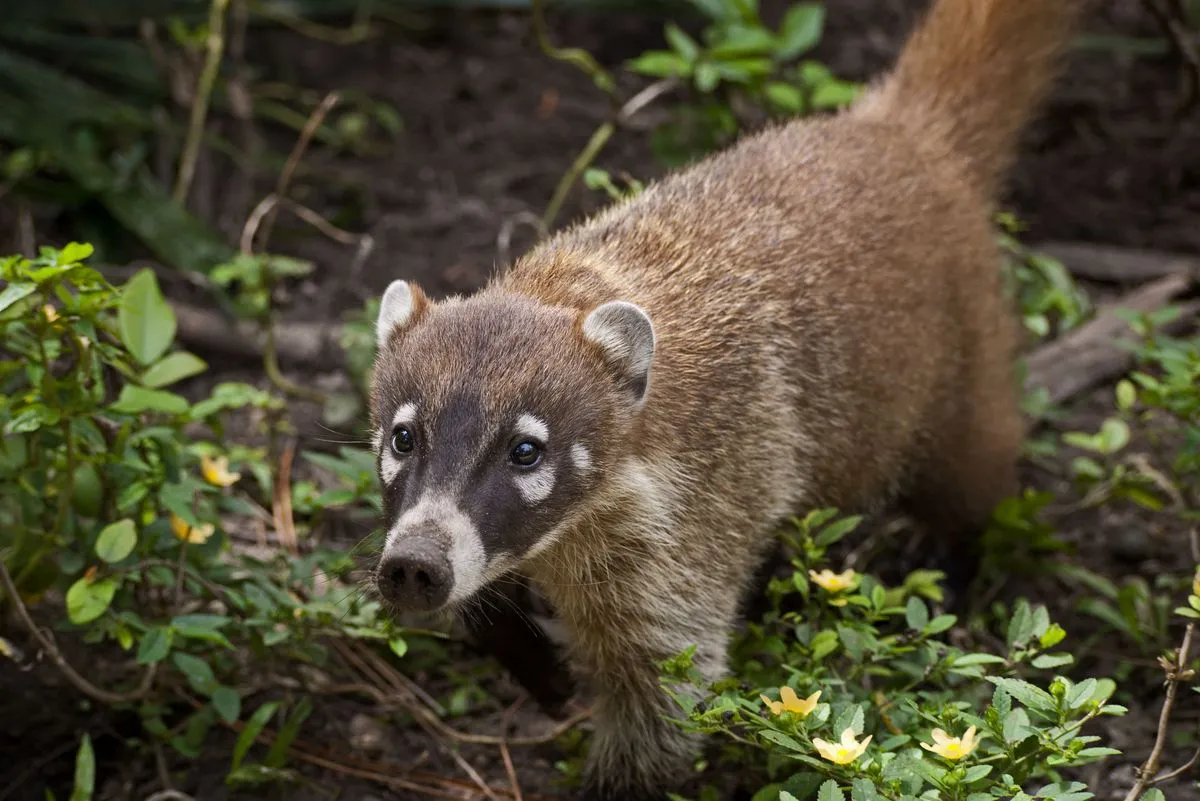
Okay, maybe it’s not one animal but a family.. but hear me out!!
Raccoons and coatis.
There’s something in the procyonidae family that scratches my itch. Maybe it’s the usually ringed long tails or interesting snouts.
How I found out about them? I actually don’t know, I haven’t seen any yet, and that’s on my bucket list. sigh. Raccoons aren’t a very popular animated character choice so it’s definitely not that.
No, I haven’t watched guardians of the galaxy.
Fun fact: They mostly DO NOT “wash” their food, even though in german they are literally called “wash bears” - waschbär
“Research has shown that this food-dousing behavior only occurs in raccoons raised in captivity. In the wild, raccoons do not exhibit food-washing behavior, but search for aquatic prey by dabbling and feeling along the stream or pond bottom. Their paws contain highly developed nerves, and the water actually makes their paws more sensitive. Dabbling behavior in water is a fixed motor pattern in raccoons. Since only captive raccoons exhibit food- dousing behavior, scientists believe that washing food is simply a substitute for normal dabbling behavior, which has no other outlet in captivity. Raccoons have well-developed salivary glands and have no need to wet their food before eating it.”
In captivity, water is immediately next to food. So the raccoon’s instinctive foraging motor pattern gets triggered, and it dunks the food. Food dunking in captivity is a shore foraging instinct. The claim that this is strictly a captivity-only behavior is slightly overstated though. Wild raccoons near predictable urban food sources have been observed doing it too. Captivity just artificially creates the triggering conditions all the time. In cities, carrying food to the nearest puddle or drain would cost extra energy and increase risk of exposure to humans or predators. (Also the water would be too shallow in most cases) But if they had a bucket of water next to the food in a city, they probably would dip it in, I guess. And the increased sensitivity of the paws is a benefit of the instinct (which likely contributed to the evolution of the motor pattern), but it does not fully explain the expression of the behaviour.
Check out the rest or the bearblog’s carnival participants articles!! They are really fun :]
Enjoyed the article? Subscribe to my RSS feed :D